
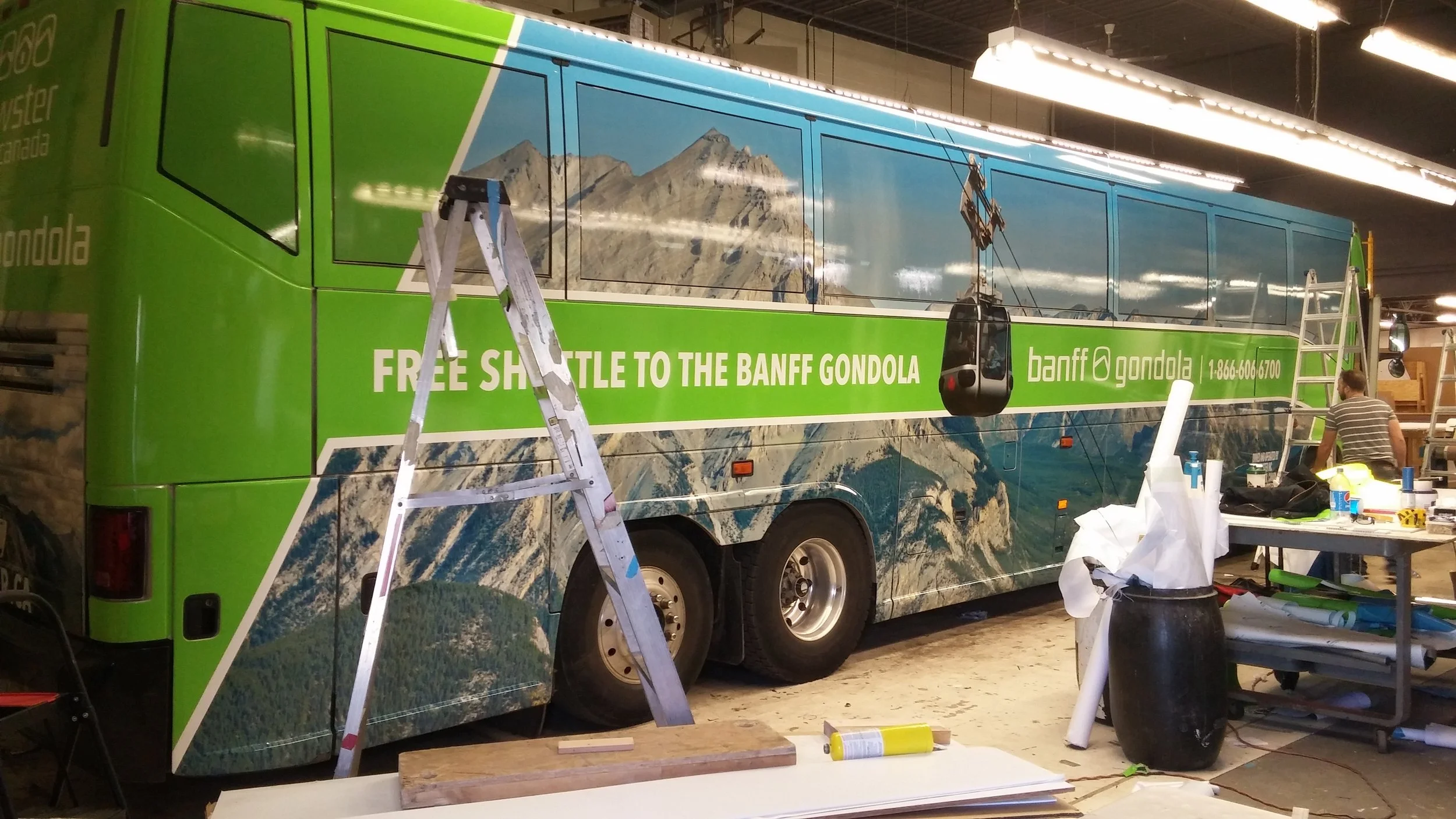
Fleet graphics that keep your brand moving.
From a single service van to a coordinated national fleet, Process Color designs, produces and installs vehicle graphics built for the road. Full wraps, partial wraps, decals, lettering and reflective safety markings are managed for consistency, durability and efficient rollout.
Fleet graphics built for the way your business moves
Your vehicles should look like they belong to the same company whether you operate three service vans or manage a growing fleet across several locations.
Process Color plans, produces and installs commercial vehicle graphics as a repeatable fleet system. We coordinate vehicle-specific layouts, material specifications, colour targets, approvals, installation scheduling and replacement files so adding the next vehicle is easier than starting again.
Primary action: Plan Your Fleet Program
Secondary action: Request a Fleet Quote
The right graphics for every vehicle in the fleet
Coverage should reflect the role of the vehicle, the brand and what people need to understand at a glance. A coordinated program can use different levels of coverage while keeping the same visual hierarchy.
Full vehicle wraps
Full wraps create the strongest visual transformation and the largest canvas for brand colour, imagery and messaging. Artwork is adapted to the actual make, model, year and body configuration, including doors, handles, windows, lights, sensors, seams and high-wear areas.
Partial vehicle wraps
Partial wraps use the vehicle's paint colour as part of the design. They can provide strong brand recognition with less printed coverage, but the creative still needs to be developed for the exact vehicle colour and proportions.
Commercial decals and lettering
Printed decals and cut lettering work well for logos, contact information, service descriptions, unit numbers and required identifiers. Consistent sizing and placement keep lower-coverage programs looking intentional across mixed vehicle types.
Reflective and safety markings
Reflective graphics can improve visibility and integrate required markings into the wider fleet design. Film grade, placement and regulatory requirements must be confirmed for the specific vehicle and operating environment.
Trucks, trailers and specialty equipment
The same program controls can extend to box trucks, semi cabs, trailers, heavy equipment and specialized assets. Each body style needs its own production layout rather than a scaled copy of a van design.
PHOTO PLACEHOLDER
Suggested image: a lineup showing a van, pickup, box truck and trailer using one coordinated fleet system.
A fleet system that stays consistent as you grow
The value of a fleet program is repeatability. Approved artwork and production information can be organized so new vehicles, repairs and replacements follow the same standard.
Brand hierarchy and readability
We establish what viewers need to recognize first, then organize the logo, service category, contact information and calls to action around real viewing distance and vehicle movement.
Mixed makes, models and body styles
Core brand elements remain consistent while layouts adapt to the usable space on each vehicle. Upfits, racks, toolboxes, windows, body conversions and aftermarket accessories are reviewed before the final proof.
Colour and material control
Approved colour references, film selections, laminates and finishes are documented for repeat work. Colour appearance can vary by material, lighting and age, so exact replacement expectations should be discussed before production.
Variable information
Unit numbers, regions, service categories, certification markings and other variable details can be managed through a clear vehicle schedule. Each version is linked to the correct asset before it is produced.
Additions and replacement graphics
When a new vehicle arrives or a panel is damaged, Process Color can return to the approved system instead of rebuilding the job from the beginning. Current vehicle photos and measurements may still be required.
PHOTO PLACEHOLDER
Suggested image: approved vehicle elevations, colour references and numbered production files beside a finished fleet vehicle.
From fleet audit to installation
1. Review the fleet
We confirm vehicle types, quantities, locations, operating requirements, brand standards, current graphics and rollout priorities.
2. Build or adapt the design system
Our team creates the design direction or adapts supplied brand artwork to representative vehicle types. The layout is tested against the vehicle's shape and functional areas.
3. Confirm materials and production details
Material recommendations are based on the surface, coverage, expected use, desired service life and removal requirements. Product-specific warranties and performance are confirmed against the approved material documentation.
4. Proof each vehicle type
Your team reviews placement, copy, colours and variable information before production. Mixed fleets may use representative approvals supported by a documented vehicle schedule.
5. Coordinate production and installation
Vehicles are grouped into a practical sequence based on production flow, location and operational availability. Final timing is confirmed after the scope, vehicle readiness and installer availability are reviewed.
6. Keep the program current
Approved files and specifications support future additions, repairs and rebrands while changes are documented for the next release.
PHOTO PLACEHOLDER
Suggested image: an installer applying a wrap panel in the Calgary facility, with clean lighting and visible craft detail.
Vehicle readiness, repairs and rebrands
Vehicles need to arrive in the agreed condition and at the agreed time. Dirt, wax, road film, moisture, fresh paint, body damage, rust, failing clear coat or existing graphics can affect preparation, installation time and adhesion.
Removal and surface review
Existing graphics can be assessed as part of the project. Removal time depends on film age, adhesive, exposure and vehicle condition. Body repair, paint work and paint-cure time should be complete before installation is scheduled.
Damage and replacement panels
Replacement graphics can be produced after body repairs or panel damage. Installed graphics may weather and materials can change over time, so an exact match to adjacent aged panels is not always possible.
Fleet additions and de-identification
The program can include new units, reassigned vehicles and planned graphic removal when leased or sold assets leave the fleet. Clear records reduce the time required to identify the correct artwork and material.
What to send for an accurate quote
- Vehicle list with make, model, year and body style
- Clear photos of every side of each representative vehicle
- Brand standards and vector logo files
- Desired coverage by vehicle group
- Required copy, unit numbers and safety markings
- Current vehicle colour and existing graphics
- Vehicle locations and preferred installation windows
- Target launch date and rollout priorities
- Expected additions over the next year
PHOTO PLACEHOLDER
Suggested image: close-up of clean wrap edges around a door, handle or body line, paired with a wide finished-vehicle shot.
Frequently asked questions
Can you handle a fleet with different makes and models?
Yes. Artwork is adapted to each vehicle type while the core brand elements, colours and message hierarchy remain consistent. Mixed fleets benefit from a documented system rather than one layout copied across every unit.
Do you only produce full wraps?
No. Fleet programs can combine full wraps, partial wraps, printed decals, cut lettering, unit numbers, reflective elements and specialty markings.
Can you add vehicles to an existing program?
Yes. We can work from established graphics or help organize inconsistent legacy files into a repeatable system. New units are produced from the approved artwork and current vehicle information.
What affects the cost?
Cost is influenced by vehicle size, coverage, design complexity, material, surface condition, removal requirements, quantity and installation logistics. A vehicle list and representative photos make the first estimate more useful.
How is installation scheduled?
Scheduling is based on vehicle quantity, locations, operating availability, production flow and the work required on each unit. Larger rollouts are organized in a sequence that reduces unnecessary downtime.
Can you remove existing graphics?
Removal can be included after the existing film and vehicle condition are reviewed. Removal time and risk vary with the age and type of film, paint condition and previous repairs.
Make the next vehicle easier than the first
Tell us what is in your fleet now, what is changing and where the vehicles operate. We will help define the right production and installation path.
CTA: Plan Your Fleet Program